
How Asphalt Sealing Protects Driveways
Local contractors specializing in driveway asphalt sealing can help protect your driveway by preventing cracks, reducing damage, and extending its lifespan.
If you’ve been exploring ways to keep your driveway in top condition, understanding how asphalt sealing protects driveways can be highly beneficial. This process helps create a protective barrier that shields the asphalt surface from common sources of damage, such as moisture, UV rays, and daily wear and tear. Property owners in the area who want to extend the lifespan of their driveway and maintain its appearance often turn to local contractors who specialize in asphalt sealing. By doing so, they can safeguard their investment and ensure their driveway remains functional and attractive for years to come.
Continuing to read can provide valuable insights into the practical benefits of asphalt sealing and how it contributes to driveway durability. Local service providers offer expertise in applying this protective coating, helping property owners prevent cracks, potholes, and surface deterioration. Whether for a residential driveway or a commercial parking area, understanding the role of asphalt sealing can help decision-makers make informed choices about maintenance. Connecting with experienced contractors can make it easier to explore options that suit specific needs and keep driveways protected against the elements and everyday use.
- New driveway sealing - homeowners seeking to protect fresh asphalt often turn to local contractors for proper application to extend durability.
- Cracked driveway repair - when cracks develop, local service providers use sealing to prevent further damage and preserve the asphalt’s integrity.
- Driveway maintenance - property owners looking to prolong the lifespan of their driveway may schedule regular sealing with local pros.
- Weather-related damage - after harsh seasons, local contractors can apply asphalt sealing to shield driveways from moisture and temperature effects.
- Old driveway restoration - those with aged asphalt seek sealing to restore surface protection and prevent further deterioration.
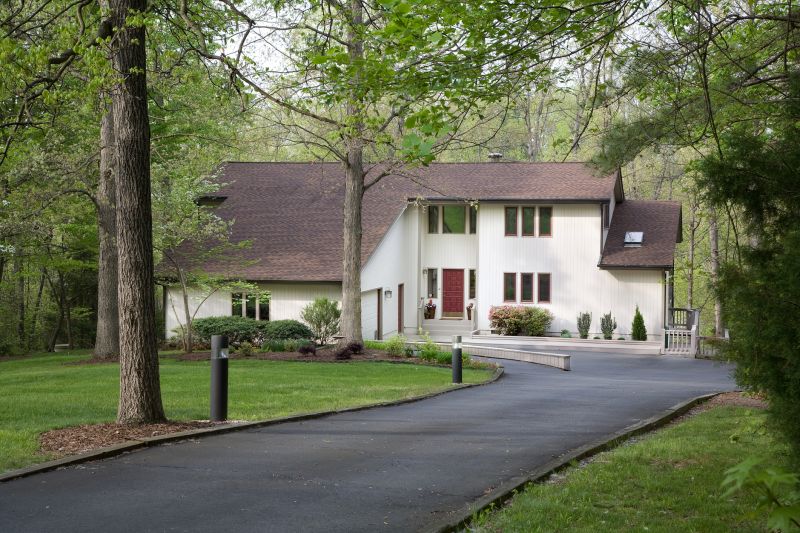
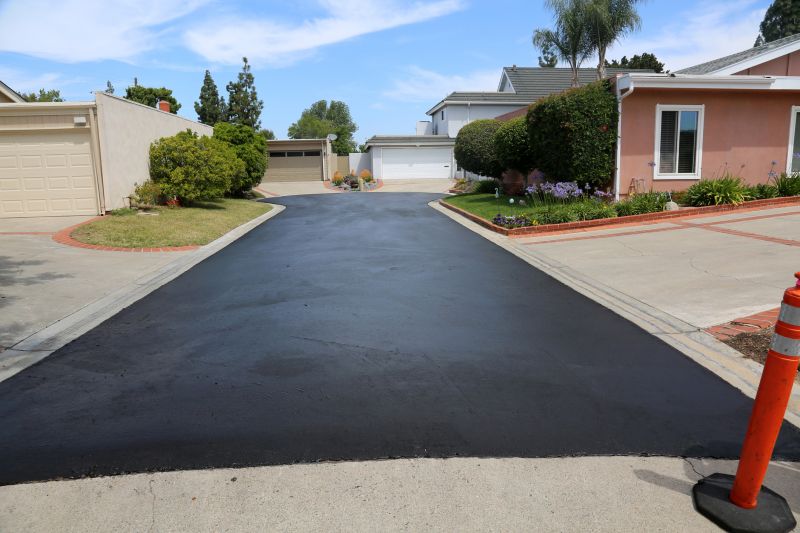
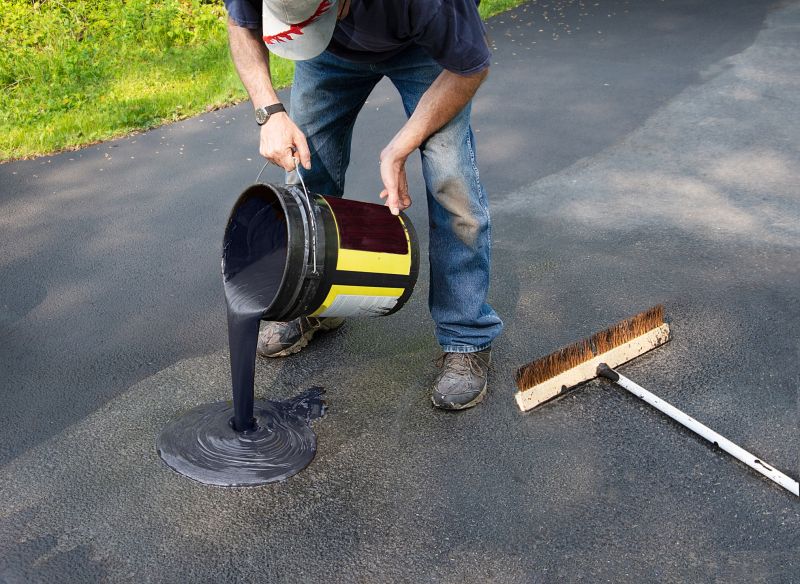
When people search for how asphalt sealing protects driveways, they are often looking for ways to maintain and extend the lifespan of their paved surfaces. Homeowners typically want to understand how this process can prevent common issues such as cracking, fading, and deterioration caused by exposure to the elements. The goal is to keep the driveway looking good and functioning properly for as long as possible, avoiding costly repairs or replacements down the line. By exploring this topic, homeowners are seeking practical advice on how sealing can serve as a protective barrier against damage from water, UV rays, and temperature fluctuations.
This subject is closely related to driveway maintenance plans and problem prevention. Many property owners think about asphalt sealing when their driveways show signs of wear or when they want to proactively defend against future damage. It’s also a key part of planning long-term care for residential or commercial properties with asphalt surfaces. Issues like surface cracking, surface oxidation, and the development of potholes are common concerns that sealing can help mitigate. Understanding how asphalt sealing works allows homeowners to make informed decisions about preserving their driveways and avoiding more extensive repairs later.
The types of properties that typically come up in discussions about asphalt sealing include single-family homes, multi-unit residential complexes, and small commercial buildings. Residential driveways are the most common focus, especially in neighborhoods where curb appeal and property value matter. However, parking lots for small businesses or community centers also benefit from regular sealing to protect the asphalt from heavy traffic and weather-related damage. These properties often have asphalt surfaces that are exposed to frequent use and environmental stress, making professional sealing an effective way to maintain their condition and appearance.
Local service providers who specialize in driveway asphalt sealing play a vital role in helping property owners achieve these protective benefits. They bring experience in assessing the condition of existing asphalt and applying the right sealing products to suit each specific situation. Whether for a residential driveway or a commercial parking lot, these contractors understand how sealing can serve as a barrier against damage and help preserve the surface’s integrity. Connecting with local pros ensures that property owners can access the expertise needed to properly protect their driveways, extend their lifespan, and maintain their curb appeal over time.
Parking lot paving projects - these projects involve surface preparation and sealing techniques similar to driveway asphalt sealing, requiring knowledge of surface protection and weather considerations, with local contractors able to handle the work.
Concrete sealing services - while different materials are involved, both projects use sealing to protect surfaces from damage, and local service providers often have experience with surface preparation and application processes.
Driveway repair and resurfacing - restoring damaged or worn driveways involves planning and surface prep akin to sealing, making it a related project that local pros can assist with to extend surface lifespan.
Pavement marking and line striping - these services require surface knowledge and planning similar to sealing, with local contractors capable of coordinating surface protection and markings effectively.
Sealcoating for sports courts - applying protective coatings to sports surfaces shares techniques with asphalt sealing, emphasizing surface prep and application skills that local pros can provide.
Asphalt patching and crack filling - these foundational repairs are often performed prior to sealing, requiring surface assessment and preparation skills that are common to both types of projects handled by local contractors.
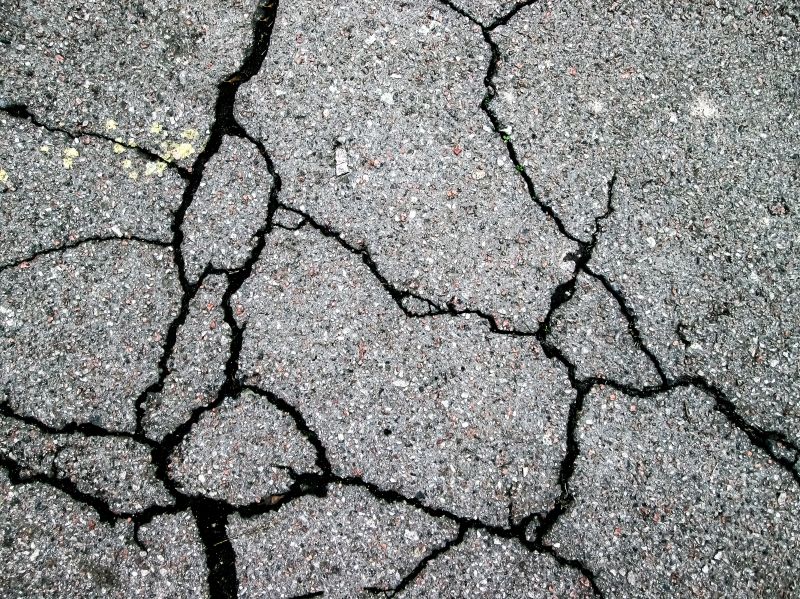
When comparing local contractors for driveway asphalt sealing services, it is important to consider their experience with similar projects. Homeowners should inquire about how long a service provider has been performing asphalt sealing and whether they have worked on driveways comparable in size and condition. An experienced contractor will generally have a better understanding of the specific needs of different types of driveways and can provide insights into effective sealing techniques that help protect the surface over time. This background can be a useful indicator of their ability to deliver quality results that enhance the durability and appearance of the driveway.
Clear written expectations are essential when evaluating potential service providers. Homeowners should seek detailed information about the scope of work, including preparation steps, the type of sealing material used, and any necessary follow-up or maintenance recommendations. Having this information in writing helps ensure that both parties are aligned on what the project entails and reduces the likelihood of misunderstandings. Reputable contractors are typically transparent about their processes and can provide documentation or descriptions that clarify what the sealing service will accomplish and how it contributes to protecting the driveway.
Reputable references and good communication are key factors to consider during the selection process. Homeowners can ask service providers for references from previous clients who had similar driveway sealing projects. Contacting these references can offer insights into the contractor’s reliability, work quality, and professionalism. Additionally, service providers who communicate clearly and promptly tend to be more responsive to questions and concerns, which can make the entire process smoother. Effective communication helps ensure that expectations are managed properly and that the homeowner feels confident in the contractor’s ability to handle the project with care and attention to detail.
Property owners often search for how asphalt sealing protects driveways when they are planning practical projects around their homes and businesses. Local pros provide Driveway Asphalt Sealing services for everyday jobs and straightforward project options.
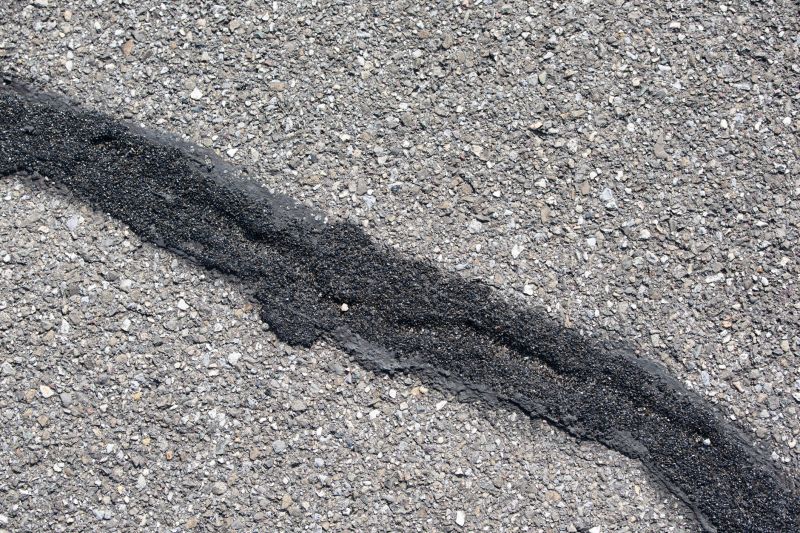
Property owners in the area often seek out information on how asphalt sealing protects driveways to help preserve their investment and maintain curb appeal. Everyday situations, such as noticing cracks or surface erosion after seasonal changes, can prompt questions about the best ways to extend the lifespan of a driveway. Local contractors who specialize in driveway sealing services offer practical solutions to shield asphalt surfaces from damage caused by water, UV rays, and everyday wear and tear, helping to prevent costly repairs down the line.
Many property owners also look into driveway sealing as a proactive step to keep their driveways looking clean and well-maintained. By sealing the asphalt, local service providers can help safeguard against the effects of oil spills, staining, and surface deterioration that often occur over time. This simple protective measure can make a noticeable difference in how well a driveway withstands the challenges of daily use, making it a popular option for those wanting to preserve their property's appearance and functionality.
How does asphalt sealing help protect driveways? Asphalt sealing creates a protective barrier that helps prevent damage from water, UV rays, and chemicals, extending the lifespan of driveways. Local contractors apply this sealant to keep the surface durable and resistant to common issues.
Can asphalt sealing prevent cracks and potholes? While sealing can reduce the likelihood of cracks forming, it primarily protects against surface damage caused by environmental factors. Experienced service providers can assess and address existing cracks to enhance driveway protection.
Why is sealing important for maintaining the appearance of a driveway? Sealing helps preserve the color and texture of asphalt, preventing fading and staining. Local asphalt sealing services can help maintain a driveway’s aesthetic appeal over time.
Does asphalt sealing make driveways more resistant to water damage? Yes, sealing minimizes water penetration, reducing the risk of water-related damage like erosion or freeze-thaw cracking. Professional contractors ensure proper application for optimal water resistance.
How often should driveway sealing be performed to ensure protection? Most experts recommend sealing every 2 to 3 years, depending on usage and environmental conditions. Local service providers can advise on the best maintenance schedule for driveway protection.
Protecting against weather damage - Property owners can plan to have their driveways sealed before winter or heavy rain seasons to prevent cracking and erosion caused by moisture.
Preventing oil and chemical stains - Regular sealing by local contractors can help create a barrier that keeps oil, gasoline, and other chemicals from penetrating the asphalt surface.
Extending driveway lifespan - Applying asphalt sealing services periodically can help maintain the driveway’s appearance and structural integrity over time.
Reducing surface deterioration - Homeowners can schedule sealing projects to minimize surface wear from foot traffic and vehicle use, keeping the driveway looking new longer.
If you are thinking about how asphalt sealing protects driveways for a property, this guide is meant to help you understand this topic, the typical project types, and how different options might fit your plans.
When you are ready, you can use the quote form on this page to share a few details about your project. From there, local pros can review the basics and follow up with options that match what you have in mind.